Understanding Interlocking Floor Tiles
Types of Interlocking Floor Tiles – Overview of different materials such as PVC, rubber, stone, and wood composite tiles
Interlocking floor tiles IKEA offer an innovative solution for modern spaces, transforming dull or worn-out surfaces into stylish, durable surfaces with minimal fuss. Interestingly, the versatility of these tiles is highlighted by the wide variety of materials available, each serving different aesthetic and practical needs. Whether you’re revamping a home office or creating a lively play area, understanding the different types of interlocking floor tiles is key to making the right choice.
Among the most popular options are PVC tiles, known for their affordability and flexibility. Rubber tiles, on the other hand, excel in providing impact resistance, making them ideal for gym or workshop settings. For outdoor spaces or feature areas, stone interlocking tiles offer a natural, timeless appeal, while wood composite tiles bring warmth and sophistication to indoor environments. When selecting interlocking floor tiles IKEA, considering the specific material will ensure both durability and style match your project requirements.
Benefits of Interlocking Tiles – Ease of installation, flexibility, durability, and aesthetic appeal
Interlocking floor tiles IKEA have revolutionized how we approach surface upgrades, blending practicality with visual appeal. One of their standout benefits is the straightforward installation process—no need for adhesives or specialized tools, just a simple snap-together system. This feature not only saves time but also allows for easy adjustments or replacements, making these tiles perfect for versatile spaces.
The flexibility of interlocking tiles IKEA means they can be used in various environments—be it indoor lounges or outdoor patios—without compromising on durability. Many designs incorporate a textured surface that resists slips, ensuring safety alongside style. Their robust construction promotes longevity, standing up well to high traffic or impact.
Beyond functionality, interlocking floor tiles IKEA offer significant aesthetic advantages, allowing for creative layouts and customizable patterns. Whether you prefer a sleek, modern look or a more rustic charm, these tiles can seamlessly complement any decor. Their modular nature makes them an innovative choice for transforming spaces with minimal disruption.
Common Use Cases – Indoor flooring, outdoor patios, garage floors, and commercial spaces
Interlocking floor tiles IKEA have become a popular choice for a variety of environments, thanks to their versatility and ease of use. These tiles are especially well-suited for indoor flooring projects, offering a quick and attractive upgrade to living rooms, kitchens, or even home offices. Their simple snap-together design means that even DIY novices can achieve professional-looking results without heavy tools or adhesives.
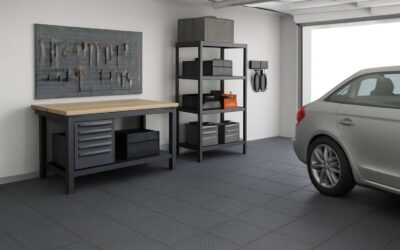
Outdoor spaces also benefit greatly from interlocking floor tiles IKEA. Patios, garden paths, or poolside areas gain a stylish yet durable surface that can withstand the elements while providing safety through textured finishes. For garages, these tiles offer a resilient flooring option capable of handling the weight of vehicles and equipment without cracking or fading.
- Indoor flooring transformations
- Enhancing outdoor patios
- Revamping garage floors
- Creating dynamic commercial spaces
The adaptability of interlocking floor tiles IKEA makes them a top contender for commercial environments, where quick installation and future modifications are often necessary. Whether designing a retail space, gym, or workshop, these tiles can be arranged in creative patterns to foster an inviting atmosphere while maintaining practicality. Their modular structure means that areas can be updated or expanded with minimal disruption, solidifying their reputation as a modern, innovative flooring solution.
Key Features to Consider – Slip resistance, waterproofing, thickness, and design compatibility
When selecting interlocking floor tiles IKEA, understanding their key features ensures you choose the best option for your space. Slip resistance is paramount—especially for outdoor patios or busy kitchens—helping prevent accidents and providing peace of mind. Waterproofing is another essential factor, enabling the tiles to withstand moisture and spills without deterioration, making them ideal for areas prone to wetness or outdoor use. The thickness of the tiles also plays a crucial role; thicker tiles tend to offer better durability and cushioning, suited for high-traffic zones or garages.
Design compatibility is equally important. With a variety of styles and patterns available, interlocking floor tiles IKEA can effortlessly complement your aesthetic preferences—be it modern, rustic, or minimalist. Incorporating features such as textured finishes not only enhances slip resistance but adds visual appeal. To navigate these considerations, a helpful starting point is to evaluate specific attributes like slip resistance, waterproofing, and style options—ensuring your choice aligns perfectly with the intended environment. Ultimately, prioritizing these aspects guarantees a durable, functional, and visually pleasing flooring solution that elevates any space.
Choosing the Right Interlocking Floor Tiles for Your Space
Material Options – Pros and cons of various materials to suit different needs
Choosing the right interlocking floor tiles for your space can transform a dull area into a striking focal point. When it comes to interlocking floor tiles IKEA, the material choice is critical to ensuring durability and style align seamlessly with your needs.
Different materials offer distinct benefits; for example, PVC tiles are lightweight, versatile, and budget-friendly, making them ideal for indoor applications. Conversely, rubber tiles excel in demanding environments like garages or gyms due to their shock absorption and slip resistance. Natural stone tiles provide a premium aesthetic and robustness—perfect for outdoor patios or high-traffic areas—though they may require more maintenance.
Considering the specific demands of your space—be it waterproofing for a bathroom or durable wear resistance—helps narrow down the options. Factors such as ease of installation, maintenance requirements, and visual compatibility should also influence your decision. With the variety of interlocking floor tiles IKEA now offers, selecting the perfect material involves balancing functionality with design aspirations, ensuring your project is both practical and visually appealing.
Design and Style – Color schemes, patterns, textures, and modern vs traditional looks
Choosing the right interlocking floor tiles IKEA is more than just picking a colour or pattern; it’s about creating a harmonious environment that reflects your personal style. With a myriad of colour schemes available, from monochrome elegance to vibrant accents, you can tailor your space to be both modern and timeless. Patterns such as geometric designs, herringbone, or checkerboard can add visual interest and depth, transforming an ordinary floor into a statement piece.
Textures also play a vital role in defining the ambiance—smooth finishes for sleek contemporary looks or textured surfaces for rustic charm. Consider whether you want a minimalist aesthetic or something more ornate; interlocking floor tiles IKEA cater to both.
- Bold colours
- Subtle neutrals
- Mixed patterns
These choices help align the visual style with the function of the space, whether it’s a lively playroom or a serene outdoor patio.
In the end, blending modern versus traditional styles with your preferred colour schemes and textures ensures your interlocking floor tiles complement your overall interior or exterior design perfectly. Whether you’re aiming for a sleek contemporary vibe or a cozy vintage aesthetic, selecting the right style of interlocking floor tiles IKEA is key to a successful transformation.
Size and Thickness – How dimensions impact installation and functionality
Choosing the right interlocking floor tiles IKEA involves careful consideration of your space’s size and the tile’s thickness — crucial factors that influence both installation and long-term functionality. Thinner tiles might be ideal for indoor applications where subtlety and ease of movement matter, while thicker options provide enhanced durability and support for outdoor or high-traffic areas. The dimensions of interlocking floor tiles IKEA can impact how seamlessly they fit together, especially in irregular or larger spaces.
In areas where stability and safety are priorities, considering tiles with slip-resistant features and optimal thickness ensures comfort and reduces accident risks. To simplify your decision, here’s a quick overview:
- Assess the total area to determine how many tiles you’ll need.
- Match tile thickness to the intended use—thicker for outdoors or garages, thinner for living rooms or offices.
- Ensure the interlocking mechanism provides a secure fit, preventing movement over time.
By paying close attention to these factors, selecting interlocking floor tiles IKEA becomes a straightforward process that guarantees both aesthetic appeal and functional excellence in your space.
Budget Considerations – Cost comparison and value for money
Budget considerations play a pivotal role in choosing the right interlocking floor tiles ikea for your project. While these tiles are generally known for their affordability and ease of installation, understanding the cost-to-value balance is essential. High-quality options might come at a slightly higher initial investment, but they often deliver superior durability and aesthetic appeal, translating to long-term savings.
When comparing prices, it’s useful to weigh the benefits of different materials—PVC, rubber, or stone—against their costs. For instance, rubber tiles might be more expensive upfront but offer enhanced slip resistance and durability in high-traffic areas. To simplify decision-making, consider this:
- Calculate the total number of tiles needed based on your space’s dimensions
- Compare the price per square metre for various interlocking floor tiles ikea options
- Evaluate long-term value, factoring in durability and maintenance costs
Investing in higher-quality tiles might seem more costly initially but often results in fewer replacements and repairs. By balancing your budget with these factors, selecting interlocking floor tiles ikea becomes a strategic choice that ensures both your financial and aesthetic goals are met—without sacrificing style or safety!
Compatibility with Ikea Products – Matching with IKEA furniture and accessories
When selecting interlocking floor tiles ikea, ensuring compatibility with existing décor and furniture is key to creating a harmonious space. IKEA furniture is renowned for its clean lines and cohesive design ethos, so choosing tiles that complement this aesthetic can elevate your room’s overall ambiance. Not all interlocking floor tiles ikea are created equal—some feature sleek, minimalist patterns that mirror IKEA’s modern style, while others offer textured finishes for a more rustic appeal.
Matching your tiles with IKEA accessories—such as rugs, storage units, or wall art—can further enhance the cohesion. Consider color harmony; neutral shades like grey or beige tend to blend effortlessly with IKEA’s popular palettes. Additionally, the size and texture of interlocking floor tiles ikea can influence how well they integrate with other elements in your space. For example, larger tiles create a seamless look, ideal for open-plan layouts, while textured surfaces add visual interest to classic rooms. Achieving the perfect compatibility isn’t just about appearance—it’s about crafting a unified environment that balances style and functionality seamlessly.
Environmental Impact – Eco-friendly materials and sustainable choices
Choosing environmentally responsible options for your flooring is more important than ever. With the increasing demand for sustainable living, eco-friendly interlocking floor tiles ikea offer a compelling solution that aligns with green principles. These tiles often incorporate recycled materials or sustainably sourced components, reducing the environmental footprint of your renovation. Opting for products made from natural or recycled materials not only lessens landfill waste but also contributes to healthier indoor air quality, especially if they feature low VOC emissions.
When selecting interlocking floor tiles ikea that prioritise sustainability, look for certifications such as FSC or Green Seal. Additionally, some brands provide transparency about their manufacturing processes and material origins, ensuring your choice supports fair trade practices and eco-conscious production. Remember, embracing environmental responsibility in your flooring choices isn’t just beneficial for the planet—it can often enhance the aesthetic appeal of your space, combining style with sustainability!
Installation Tips and Best Practices
Preparation and Planning – Measuring, substrate preparation, and layout planning
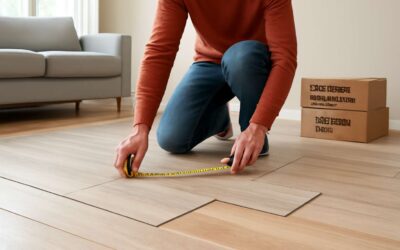
Installing interlocking floor tiles ikea can dramatically elevate your space, but a successful setup hinges on meticulous preparation and planning. Interestingly, a well-executed installation can extend the lifespan of your tiles and ensure a seamless aesthetic. Before laying down your interlocking floor tiles ikea, it’s crucial to measure the area accurately. This helps avoid awkward cuts and wasted tiles, especially in irregularly shaped spaces.
Substrate preparation is equally essential—make sure the subfloor is clean, dry, and level. Uneven surfaces can compromise the interlocking mechanism, leading to shifting or gaps over time. For a smooth layout, consider laying out the tiles without snapping them together initially. This preview allows you to adjust the pattern to fit the space perfectly and choose complimentary designs.
- Measure twice, cut once
- Ensure a flat substrate
- Plan your layout ahead of installation
These best practices will set the stage for a flawless, durable finish when installing interlocking floor tiles ikea.
Step-by-Step Installation Guide – Tools needed, locking mechanisms, and layout tips
Achieving a flawless installation of interlocking floor tiles IKEA requires more than just snapping them together. The right tools can make all the difference; a rubber mallet, level, tape measure, and utility knife are essential to ensure precision. Proper locking mechanisms are designed for quick assembly, but understanding their nuances guarantees a secure and durable finish. To facilitate a seamless layout, consider laying out your tiles without clicking them into place initially. This step provides a clear perspective on how the design fits your space and helps identify any necessary adjustments before permanent installation. When working with interlocking floor tiles IKEA, meticulous attention to the pattern and alignment is crucial—especially when dealing with irregularly shaped areas. Remember, ensuring the tiles are tightly locked and the edges are flush will prevent shifting over time, preserving both appearance and functionality.
Maintenance and Cleaning – Easy care tips to prolong tile lifespan
Proper maintenance of your interlocking floor tiles IKEA can significantly extend their lifespan, ensuring your space remains stylish and resilient for years to come. Easy care begins with regular sweeping or vacuuming to prevent the accumulation of dirt and grit that can cause scratches. For deeper cleaning, use a damp mop with a mild, non-abrasive cleaner—harsh chemicals might damage the surface or compromise the locking mechanisms of your interlocking floor tiles IKEA. It’s advisable to avoid excessive water and standing puddles, especially on tiles designed for indoor use.
To keep your tiles in top shape, consider these simple practices:
- Wipe up spills immediately to prevent staining or warping.
- Recheck the locking mechanisms periodically to ensure tiles stay tightly joined.
- Avoid dragging heavy furniture across the surface; instead, lift items to prevent damaging the tiles.
For stubborn dirt, using a soft-bristle brush alongside gentle cleaning solutions suffices for most maintenance routines. Overall, consistent, gentle upkeep preserves the vibrant appearance and structural integrity of your interlocking floor tiles IKEA, making them a long-lasting investment in your space.
Troubleshooting Common Issues – Dealing with uneven surfaces, gaps, and damage
Achieving a flawless finish with interlocking floor tiles IKEA requires more than just snapping panels together; proper installation and troubleshooting can save your project from common pitfalls. An uneven surface can detract from the aesthetic appeal and compromise stability. To avoid this, thorough substrate preparation is essential—ensure the subfloor is level, clean, and free of debris before laying your interlocking floor tiles IKEA. Sometimes, despite careful planning, gaps may develop between tiles, especially on uneven floors. In such cases, gently reseat the tiles or use shims designed for flooring to fill gaps without damaging the locking mechanism.
Damage, like cracked tiles or broken locking edges, can occur if excessive force is applied during installation or use. If you notice loose tiles, it’s best to detach and reassemble them, confirming that the locking mechanism clicks securely into place. For troubleshooting stubborn issues, examine the interlocking system closely; sometimes, small debris can obstruct proper locking.
- Check for misaligned tiles
- Reinstall damaged tiles carefully
- Replace broken sections promptly
Ensuring the tiles are correctly aligned during installation helps prevent future issues and maintains the sleek look of your space. Troubleshooting with patience keeps your interlocking floor tiles IKEA looking sharp and functioning properly for years to come.
Safety Tips – Handling tools and ensuring a safe installation process
Embedding interlocking floor tiles IKEA into your space is an excellent way to achieve a sleek, modern look with minimal fuss. However, ensuring safety during installation is paramount to prevent accidents and guarantee a long-lasting finish. Always handle tools with care—use appropriate gloves and eye protection when cutting or adjusting tiles. Creating a safe workspace reduces the risk of injuries and material damage.
Before beginning, clear your workspace and gather all necessary tools: a rubber mallet, level, measurement tape, and a straight edge. To maintain safety and quality, follow these best practices during installation:
- Lay tiles on a dry, clean surface to prevent slips or debris getting trapped in the locking system
- Work systematically to avoid misalignments that could compromise the interlocking system of your IKEA flooring solution
- Use spacers if needed to keep consistent gaps and facilitate perfect alignment
By prioritising safe handling and meticulous planning, your DIY project with interlocking floor tiles IKEA will proceed smoothly, resulting in a durable, beautiful finish that’s safe for everyone in your space.
Where to Purchase Interlocking Floor Tiles IKEA Style
In-Store vs Online Purchasing – Advantages and disadvantages of each method
Choosing where to purchase interlocking floor tiles IKEA style involves weighing convenience against variety. In-store shopping offers the immediate gratification of inspecting tiles firsthand, allowing you to assess their texture, finish, and compatibility with IKEA furniture. Plus, many stores provide expert advice on installation and troubleshooting. However, visiting physical outlets can be time-consuming and may limit your options depending on store stock and geographic location.
Online purchasing, on the other hand, presents a broader spectrum of designs, materials, and prices, all accessible from the comfort of your home. With just a few clicks, you can compare different interlocking floor tiles IKEA style, read customer reviews, and access detailed specifications. The downside is waiting for delivery and potential issues with returns or mismatched expectations.
- Delivery delays
- Inability to see the product physically beforehand
still pose challenges, but online shopping often offers exclusive online-only styles that aren’t available in physical stores.
Popular Retailers and Brands – Where to find authentic IKEA-compatible tiles and alternatives
Finding authentic interlocking floor tiles IKEA style doesn’t have to be a challenge—especially with a variety of trusted retailers and brands offering high-quality options. For those seeking genuine IKEA-compatible tiles, visiting IKEA stores remains a reliable choice, ensuring you find tiles designed to seamlessly match IKEA furniture and accessories. However, dedicated online platforms like the IKEA website or authorized resellers such as Argos and John Lewis often stock a curated selection of interlocking floor tiles IKEA style, along with detailed product descriptions and customer reviews.
In addition, many specialty flooring suppliers and DIY shops now carry alternatives that mimic IKEA’s modern aesthetic. Some popular brands include Nexus, ModuTile, and SnapStone. These brands typically offer a broad spectrum of styles, colours, and materials—perfect for customizing your space.
- Online marketplaces like Amazon and eBay also feature a diverse range of interlocking floor tiles IKEA compatible options, often at competitive prices.
For those willing to explore beyond traditional outlets, trade shows and home improvement fairs provide a chance to see the tiles in person and consult with experts. Whether purchasing from a high-street retailer or exploring online alternatives, it’s essential to verify the compatibility of interlocking floor tiles IKEA to ensure a perfect fit for your project. This way, you can enjoy a resilient, stylish floor that complements your furniture effortlessly.
Factors to Consider When Buying – Return policies, warranties, and customer reviews
When purchasing interlocking floor tiles IKEA style, it’s crucial to consider the intricacies of return policies, warranties, and customer reviews. These factors can significantly influence your buying confidence and overall satisfaction. Reputable retailers often offer generous return windows and warranty coverage, giving you peace of mind should the tiles not meet expectations or arrive damaged. Customer reviews are invaluable—they reveal real-world insights on durability, ease of installation, and aesthetic compatibility.
For online shopping, verify whether the seller provides clear return procedures and responsive customer support. An easy-to-navigate returns process and a solid warranty can save you headaches down the line. Additionally, paying attention to reviews can help identify common issues or praises related to interlocking floor tiles IKEA compatibility and quality. This ensures you select a product that not only fits perfectly with IKEA furniture but also withstands the test of time. After all, the best shopping experience combines transparency, reliability, and genuine customer feedback—key aspects to keep in mind when choosing where to purchase interlocking floor tiles IKEA style.
DIY vs Professional Installation – When to DIY and when to hire a pro
Choosing where to buy interlocking floor tiles IKEA-style hinges on your comfort level with DIY projects versus seeking professional assistance. For those confident in handywork, DIY installation of interlocking floor tiles IKEA is often straightforward, thanks to their user-friendly locking mechanisms. It’s a cost-effective route too, especially if you’re upgrading a small space or tackling a weekend project. However, if your floor surface is uneven or you’re working on a large area like a garage or outdoor patio, enlisting a professional might save time and ensure a flawless finish.
Some retailers offer comprehensive kits suitable for DIY enthusiasts, complete with detailed instructions and tools. Conversely, hiring a pro can be advantageous when installing high-end, durable tiles that demand meticulous placement and precision. Ultimately, weighing your skillset against the project scope helps determine whether to buy online or visit a reputable store that specializes in interlocking floor tiles IKEA compatibility and can offer expert installation services. This approach guarantees the aesthetic appeal and longevity of your new flooring while making sure the installation process remains smooth and stress-free.
Additional Accessories Needed – Underlayments, trims, and edge pieces for a finished look
Purchasing interlocking floor tiles IKEA-style is more accessible than ever, with a variety of options available both online and in-store. Many major retailers and specialty flooring stores stock compatible tiles that mimic the sleek, modular design popularised by IKEA. Shopping online offers convenience and often presents a broader selection of styles, patterns, and sizes, making it easy to find the perfect match for your space. Meanwhile, visiting a physical store provides an opportunity to see and feel the quality firsthand, and experts can assist in selecting the most suitable product for your needs.
Additional accessories are essential to achieve a professional and polished look when installing interlocking floor tiles IKEA. Underlayments, for example, improve comfort and sound insulation, especially for indoor applications. Trims and edge pieces neatly finish the perimeter and hide any cut edges, providing a seamless aesthetic. Here’s what you might need:
- Underlayments for cushioning and moisture control
- Trims to frame the flooring edges
- Edge pieces for a clean, finished border
Choosing the right accessories enhances durability, safety, and visual appeal, ensuring your investment in interlocking floor tiles IKEA pays off in both style and longevity—no matter where you purchase them from.

0 Comments