Rubber Flooring Solutions: A Comprehensive Outline
Overview and Benefits of Rubber Flooring Tiles
In busy spaces, flooring that absorbs impact is not a luxury—it’s a necessity. A study shows rubber floor tiles can cut underfoot fatigue by up to 40% during long shifts, turning workload into sustained focus and efficiency!
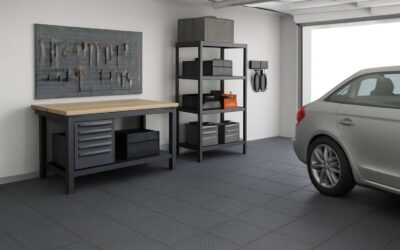
Rubber floor tiles withstand heavy traffic, resist chemicals, and cushion joints, making them a versatile choice for workshops, gyms, schools, and retail floors across South Africa. They dampen noise and insulate against cold concrete, improving comfort without compromising style.
- Durability and long life under wear
- Slip resistance for safety
- Easy maintenance and cleaning
These advantages are especially compelling when choosing rubber floor tiles for South Africa’s busy workplaces.
Types of Rubber Flooring Tiles and Core Materials
A robust floor isn’t just protection; it pays in productivity. In busy spaces across South Africa, fatigue is cut by up to 40% when a cushioned surface is installed, turning shifts into steadier output. Rubber floor tiles blend durability with comfort and style.
- Solid rubber tiles: dense, long-lasting, and ideal for high-traffic workshops and loading bays.
- Interlocking tiles: quick DIY installation and seamless looks for gyms and retail floors.
- Recycled crumb rubber tiles: eco-friendly options that still absorb impact and dampen sound.
Core materials influence durability, noise, and maintenance. Common options include solid rubber cores and cushion-backed designs that enhance comfort and insulation in rubber floor tiles.
Design Options, Sizes, and Installation Patterns
Every step matters, and the right rubber floor tiles turn footfalls into momentum—steady, confident, ready for action. This section maps design options that fuse form with function, from tactile textures to vibrant silhouettes.
Design options include several patterns to suit activity and brand.
- Interlocking patterns for seamless, DIY-friendly installs
- Chevron and herringbone layouts for dynamic visuals
- Checkerboard contrasts that guide traffic and zones
Sizes range from compact 300×300 mm modules to 1000×1000 mm slabs, with thicknesses that tailor comfort and impact absorption. Installation patterns can run in straight grids, diagonals, or staggered runs to fit aisles, gyms, and workshops.
Crafting a floor that performs in South Africa means selecting durable cores and edge-to-edge joins that endure heat, dust, and heavy wheeled loads while keeping maintenance simple.
Maintenance, Durability, and Long-Term Care
A seasoned facilities manager once said, “durability is the silent engine of every floor.” For rubber floor tiles, that promise meets daily life in South Africa—sun-warmed corridors, dusty workshops, and busy hospitality zones, all asking for steady grip, absorbency, and lasting beauty.
Maintenance emerges as a stewardship rather than a chore, a pact with resilience that keeps long-term costs in check. The right tiles resist heat and wear, while edge-to-edge joins limit creaks and gaps, letting surfaces stay smooth despite heavy traffic and frequent cleaning.
- Long-lasting core materials that support performance
- Edge-to-edge joins reduce seams and debris traps
- Designs that tolerate heat, dust, and wheeled loads
In South Africa, choosing rubber floor tiles means embracing a lifecycle mindset, where durability and easy maintenance deliver long-term value.


0 Comments