Overview and Benefits
Why rubber floor tiles are a smart indoor choice
Overview: In busy South African interiors, rubber floor tiles indoor offer a resilient canvas that blends practicality with quiet charm. They stand up to heavy foot traffic, resist moisture, and keep color vibrant under fluorescent light. A single surface can reduce fatigue and echo in the space with a touch of warmth that tends to linger after the last bell rings!
Benefits: The advantages are tangible—slip resistance in wet kitchens, gyms, and workshops; easy cleaning; excellent sound dampening that lowers noise levels in open-plan offices; and a forgiving underfoot feel that reduces fatigue. Maintenance is straightforward: mop, quick sweep, and the floor remains hygienic for South African climates. Colors and textures offer design flexibility, letting the floor become a feature or a neutral backdrop to align with branding, safety codes, and budget considerations.
Key benefits: safety, comfort, and hygiene
In busy South African spaces, fatigue can fade when the floor performs well. A resilient surface changes how we move through a room, and rubber floor tiles indoor carry that quiet promise with practical grace. They endure heavy foot traffic, resist moisture, and keep color bright under fluorescent light. More than function, they bring a warmth I feel in every step, softening the day’s sharp edges long after the last bell rings.
In terms of benefits, safety, comfort, and hygiene are the trio that count. The floor’s grip stays reliable when surfaces are wet; the underfoot feel eases fatigue during long shifts; and cleaning routines keep it hygienic in our climate. Design flexibility lets the flooring anchor branding or act as a calm backdrop.
- Slip resistance and wet-area safety
- Underfoot comfort reduces fatigue
- Hygienic ease with simple cleaning
Ideal indoor applications and spaces
“Foot fatigue is the quiet toll of a hectic day.” I’ve seen it in South African spaces: rubber floor tiles indoor stand up to the test—resilient, unassuming, and honest about what a floor should do.
Overview and benefits mingle in this material: traction that holds on damp tiles, a forgiving surface that eases hours of standing, and cleaning routines that respect our climate. As a material, rubber floor tiles indoor offers a palette that can align with any interior—quietly professional, yet welcoming. It also lends a warm, calm backdrop to branding, color, and light without overpowering a room.
- High-traffic corridors in schools and offices
- Clinics, gyms, hospitality settings, and retail floors
- Industrial or service areas where moisture is present
This combination supports daily workflows and long-term maintenance alike.
Materials, Types, and Specifications
Types of rubber floor tiles (EPDM, SBR, recycled rubber)
Rubber floor tiles indoor carry a quiet revolution beneath every step. A well-chosen layer can dampen footfall, soften fatigue, and invite longer, safer days—a punchy start to a smarter interior. In this material palette, durability wears many faces, from cushioned comfort to sturdy, enduring bounce.
Types vary by material and finish. The most common categories are:
- EPDM (ethylene propylene diene monomer): UV stable and colorfast, ideal for bright, long-lasting interiors.
- SBR (styrene-butadiene rubber): an economical workhorse with solid wear resistance.
- Recycled rubber: eco-friendly with impressive sound absorption and slip resistance.
Specifications to weigh when selecting rubber floor tiles indoor span thickness, density, wear layer, slip resistance, and maintenance needs. Common options run from 6mm to 12mm, with enhanced quiet and resilience reflecting the SA environment.
Thickness, density, and durability ratings
Foot traffic is a currency of business—lose it to noisy, hard floors and you’ll pay with fatigue and error. rubber floor tiles indoor quietly pay you back, absorbing footsteps and lifting everyday corridors into calmer paths.
Materials come in three broad families: UV-stable, wear-resistant, and eco-conscious blends. These choices shape feel, color retention, and how they respond to heat and sun in sunny South Africa interiors.
Key specifications to weigh include:
- Thickness: 6–12 mm
- Density: 0.95–1.25 g/cm³
- Wear layer and durability rating: heavy-traffic, medium-traffic, or light-traffic
- Slip resistance and maintenance: high slip resistance with low maintenance
Durability ratings align with planned space use, ensuring years of quiet, confident steps.
Backing options, interlocking systems, and edge finishes
Foot traffic is a currency of business—quiet floors convert each step into productivity. For rubber floor tiles indoor, the choice isn’t just color or texture: it hinges on backing, interlocks, and edge finishes that keep corridors calm and durable in South Africa’s busy interiors.
Backing options vary: full-surface adhesive backing for fixed installations; foam or cork-backed layers for comfort and sound dampening; and moisture-resistant backings designed for kitchens and wet areas. Each choice shifts underfoot feel, installation time, and resistance to curling in heat and sun.
Interlocking systems and edge finishes seal the deal on a clean, lasting fit.
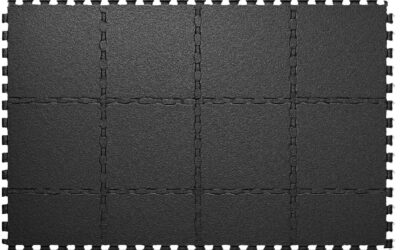
- Interlocking tongue-and-groove or studded-lock designs for precise alignment
- Edge profiles: straight cut, bevelled transitions, and stair-nose options for seamless thresholds
Color and finish options for indoor aesthetics
The right rubber floor tiles indoor set the tone for a space before a single step is taken. In busy interiors, material quality speaks louder than décor. Behind the surface, durable vulcanized blends with color-stable pigments and UV-resistant top layers keep pace with South Africa’s sun and traffic, sometimes weaving in recycled content for sustainability.
Color and finish options elevate indoor aesthetics without compromising performance. You can choose broad palettes—from cool neutrals to earthy tones, with textures ranging from smooth to subtly embossed. Finishes span matte to satin, with UV-stable and anti-slip options that shine in kitchens and corridors!
- Color families: neutrals, earthy tones, accent shades
- Textures: smooth, microtextured, embossed
- Finishes: matte, satin, UV-stable
In everyday corridors, the right combination of material and finish keeps rubber floor tiles indoor looking intentional, even under constant wear.
Installation, Maintenance, and Longevity
Indoor installation methods and prep work
Installation begins at the threshold and ends with a stable surface. For rubber floor tiles indoor, prep is non-negotiable: clean, dry, level subfloors; moisture testing for concrete; and a 24-hour acclimation. In South Africa’s climate, secure interlocks and the right underlayment keep seams flush and edging neat.
- Clean, dry subfloor
- Moisture test
- Acclimate tiles 24 hours
Maintenance is simple. Sweep, mop with mild detergent, and avoid solvents. Wipe spills quickly and protect edges with pads. The tiles stay vibrant with regular care in kitchens, gyms, and workshops.
Longevity favors ongoing upkeep. In high-traffic spaces, replace damaged tiles rather than a full section to preserve the look. Indoor use supports long-lasting performance when moisture is controlled and seams stay intact.
Cleaning, sealing, and routine maintenance
Installation for rubber floor tiles indoor begins at the threshold, with a stable, clean surface as the canvas. In South Africa’s climate, interlocks and the right underlayment keep seams flush and edging neat, even as humidity shifts. Acclimation and basic moisture awareness help protect long-term performance.
Maintenance stays simple and dignified: a routine sweep, gentle cleaning, and swift attention to any spills. To support lasting appeal, protect edges with pads and monitor seams for wear.
- Regular inspections of seams and edges
- Protective measures in high-traffic zones
Longevity hinges on ongoing upkeep rather than bold overhauls. In busy environments, timely replacement of damaged tiles preserves the overall look and keeps the surface cohesive. When moisture is controlled and seams remain intact, interior floors built from resilient materials deliver enduring performance across kitchens, gyms, and workshops.
Repair, replacement, and extending tile life
Precision at install sets the pace for long life. Installing rubber floor tiles indoor begins with a calm, clean substrate and a measured approach to seams, so the floor stays level as South Africa’s climate shifts. Acclimation and moisture awareness guard performance for years.
Maintenance stays dignified: a routine sweep, a gentle wipe, and swift attention to spills. To support enduring appeal, observe seams, protect edges, and keep high-traffic zones in check.
- Regular seam and edge inspections
- Protective measures in busy areas
Longevity rests in upkeep, not bold overhauls. When a tile is damaged, replacement with a matching tile preserves the surface’s cohesion. With controlled moisture and intact seams, interior floors made from rubber floor tiles indoor deliver lasting performance across kitchens, gyms, and workshops.
Design, Aesthetics, and Acoustic Performance
Color, texture, and pattern options
Spaces that hum with activity crave a surface that stays calm underfoot. In busy spaces across South Africa, a practical 20% drop in ambient noise is possible with rubber floor tiles indoor, turning clang and chatter into clarity without sacrificing comfort.
Design, aesthetics, and acoustic performance intersect through color, texture, and pattern options.
- Color: warm neutrals and bold accents that define zones.
- Texture: embossed grain, speckled finishes, and soft matte sheens for subtle depth.
- Pattern: checkerboard, herringbone, or modular layouts to guide traffic.
Beyond color and touch, the acoustic side of this flooring contributes to a calmer environment for conversations and concentration. The gentle give and the density of the rubber unit work together to buffer footsteps and wheels, making indoor spaces more comfortable.
Acoustic insulation and impact reduction
Design that speaks softly can still command attention. In open-plan spaces, ambient noise can reach 60 dB, but rubber floor tiles indoor offer confidence: a tactile surface with warm presence that calms visual noise while inviting movement. Color, texture, and pattern define zones, yet the material’s gentle yield keeps footsteps and wheels from shouting across a room.
Acoustic performance becomes a design staple, not a compromise. We know the density and elasticity absorb impact and smooth irregular noises, supporting clearer conversations and reducing fatigue. This is where form meets function, turning everyday footfall into a composed, human-scale chorus.
- Lower ambient noise and reverberation
- Better speech intelligibility in meetings
- Less vibration transfer for equipment and carts
Viewed together with color and finish options, rubber floor tiles indoor deliver a cohesive aesthetic that feels modern and humane. The result is spaces that speak softly of design intent while preserving energy and mobility.
Safety features and slip resistance
Design whispers through colour, texture, and pattern, turning corridors into quiet narratives; the rubber floor tiles indoor offer a tactile, warm presence that calms visual noise while inviting movement. In open plans, zones emerge by finish choices, and the surface yields just enough to feel human underfoot.
- Slip resistance that meets indoor safety standards
- Beveled or flush edges to minimize trips
- Texture that preserves grip when floors are damp
Safety features and slip resistance are built into the design, so aesthetics don’t compromise protection. Acoustic performance rises to a design staple—lowering reverberation, clearer conversations, and reduced fatigue. The gentle yield of the surface cushions footsteps and wheels, letting spaces breathe with a composed, human-scale rhythm.
Cost, Sustainability, and ROI
Cost factors and budgeting for indoor projects
Truth comes in the numbers: cheap choices today haunt maintenance bills tomorrow. Cost planning for rubber floor tiles indoor starts with a practical budget for tiles, subfloor prep, adhesives, and installation. Hidden charges for trimming and edge finishes can bite, so identify the main cost drivers:
- Upfront tile cost per square metre
- Subfloor preparation and leveling
- Adhesives, moisture barriers, and underlayment
- Installation, trimming, and edge finishing
Sustainability isn’t a marketing line; it’s lifecycle economics. Longer tile life, reduced maintenance, and recyclable or local materials lower total cost of ownership. Consider:
ROI comes from lower maintenance, improved safety, and energy efficiency. In many spaces, rubber floor tiles indoor offer payback within a few years, making them a prudent long-term investment.
Sustainability credentials and recyclability
Costs are a story that unfolds over years, not a single invoice. For rubber floor tiles indoor, the sticker price is only the opening chapter—the full journey includes base preparation, adhesives, and precise installation. Hidden trimming and edge finishing can bite budgets, so model the entire lifecycle.
Sustainability isn’t marketing; it’s lifecycle economics. A longer tile life means fewer replacements, while low maintenance lowers recurring costs. Choose recyclable content or local sourcing to cut transport footprints and support local economies. These choices translate into lower ownership costs.
- Longer life minimizes waste
- Recyclable materials, local sourcing
- Low VOCs for healthier air
- Insulation aids energy efficiency
ROI shows in lower maintenance, safer spaces, and quieter energy use. In South Africa, rubber floor tiles indoor often pay back within a few years by cutting upkeep and multiplying usable life, a prudent alignment of safety, comfort, and budget!
Warranty, maintenance costs, and ROI considerations
Cost is a plot that unfolds across years, not a single invoice. For rubber floor tiles indoor, the sticker price opens a longer tale—base preparation, adhesives, and precise installation complete the journey.
Hidden trimming and edge finishing can bite budgets, so model the entire lifecycle.
- Substrate preparation and leveling
- Adhesives and bonding
- Edge trimming and finishing
Sustainability isn’t marketing; it’s lifecycle economics. Longer life minimizes waste, recyclable content and local sourcing lower transport footprints, and low VOCs keep air healthier. Insulation boosts energy efficiency.
ROI comes through lower maintenance, safer spaces, and quieter energy use. Warranty terms, maintenance costs, and ROI considerations shape the true value—especially in South Africa, where rubber floor tiles indoor can pay back in a few years by extending life and reducing upkeep.

0 Comments