Choosing the Right Interlocking Floor Tile System for Your Laundry Room
Durability and Water Resistance
Water and detergent are roommates in a laundry room, so the floor must stand up to them. The right choice won’t just look good; it will last. For South Africa homes, interlocking floor tiles for laundry room deliver durability you can count on and moisture resistance you can trust.
Durability and water resistance hinge on construction: interlocking edges with tight seals, a sturdy wear layer, and a textured, non-slip surface. Look for a moisture barrier and mould resistance to keep wear low and footing secure.
- Non-slip texture for wet days
- Tight interlocks to limit seepage
- Detergent and humidity resistance
Choose with space and sun exposure in mind, and you’ll enjoy a bright, low-maintenance laundry zone for years.
Slip Resistance and Safety
“A floor that forgives your steps is a privilege of a well-designed home,” a seasoned designer told me. In South Africa’s laundry rooms, the right surface keeps you confident with every step.
Choosing the right interlocking floor tiles for laundry room means looking beyond looks to grip, drainage, and maintenance. Seek a non-slip texture with a shallow tread that channels water away, and ensure the system uses tight interlocks that prevent seepage at the seams. A well-formed wear layer and precise edging help your feet stay sure-footed as you move between washer and dryer.
Consider space and sun exposure: a brighter floor reflects light and lifts the mood of a small laundry zone. For slip resistance and safety, prioritize textured surfaces, clear seams, and compliant ratings from local standards. With the right system for laundry rooms, you’ll dance through chores rather than dread the wet floor.
Material Options and Maintenance
In South Africa’s compact laundry nooks, a floor that breathes with you turns chores into a stroll. Recent insights suggest 62% of homeowners report calmer mornings when floors stay dry and reflect light. I’ve seen it myself: the right interlocking tile system for your laundry room becomes a quiet partner, guiding every step from washer to dryer.
Material options for the interlocking floor tiles for laundry room span PVC vinyl, rubber, and porcelain composites. Each brings a distinct character and maintenance footprint—soft underfoot, resilient against impact, or easy to wipe clean. For a brighter footprint, lighter tones help expand the space, while darker options conceal day-to-day traffic.
- PVC vinyl interlocking tiles
- Rubber-backed composites
- Porcelain or ceramic with snap-fit edges
Maintenance considerations run as varied as the tiles themselves. Some finishes resist staining and fading, others rely on sealed seams to keep spills contained. A low-maintenance lifestyle shines when you choose surfaces that mop easily, resist mildew, and retain grip under damp conditions in South Africa’s climate.
Interlock Mechanisms and Thickness
Sixty-two percent of homeowners report calmer mornings when floors stay dry and reflect light, and in South Africa’s compact laundry nooks that calm begins with interlocking floor tiles for laundry room that breathe with you. A smart choice here becomes a quiet partner, guiding every step from washer to dryer.
For interlock mechanisms and thickness, consider these natural-fit options:
- Tongue-and-groove for stable alignment
- Snap-lock edges for quick, precise installation
- Floating design to accommodate subfloor movement
Thickness matters for foot comfort and transition heights. Thicker tiles, around 8–12 millimetres, cushion steps and resist chipping at doorways, while 6–8 mm profiles fit tighter layouts. Pair with a suitable underlayment to maintain grip when the room stays damp, a familiar South African climate companion.
Installation and Maintenance of Laundry Room Tile Floors
Preparation and Subfloor Requirements
In busy South Africa homes, the laundry is more than a chore—it’s a relay of spills and damp feet. A floor that installs fast and stays solid changes the game. “A floor that lasts is a floor you forget you have.”
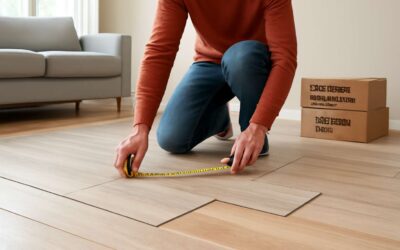
Install interlocking floor tiles for laundry room over a dry, level subfloor. Clean and flatten the surface, check for moisture, and acclimate tiles for 24 to 48 hours. A straight layout prevents gaps and edge lifts.
- Flat, clean substrate
- Check moisture, install barrier if needed
- Acclimate tiles 24–48 hours
- Dry-lay to confirm pattern
Maintenance comes down to quick cleanups and gentle care. Sweep regularly, mop with a mild, non-abrasive cleaner, and wipe spills promptly. Avoid waxes or harsh solvents that may dull the interlocking edges and shorten the floor’s life in a busy laundry zone.
Installation Steps for Interlocking Tiles
South African laundries endure more than a chore; they contend with spills that travel and damp feet that never quite dry. The floor you choose should move with the rhythm of a busy home—fast to install, steadfast to stay. interlocking floor tiles for laundry room answer this call with a snap-fast system that goes down cleanly and leaves a seamless surface you barely notice until a spill appears.
- Clear the surface and confirm it’s dry and level before you begin.
- Lay out a dry run to verify pattern alignment and edge positions.
- Snap tiles together at the joins, trimming edges with a utility knife for a clean perimeter.
Maintenance is the quiet discipline that keeps the look fresh—gentle sweeping, a damp, mild cleaner, and prompt spill care. Skip waxes and harsh solvents that dull the edges, and enjoy a laundry floor that stays practical, polished, and ready for the next load.
Sealing and Groutless vs Grouted Options
A well-sealed laundry floor is the quiet negotiator in a busy South African home. “A floor that seals itself is the quiet hero of any laundry,” says a Cape Town stylist, and I tend to agree. When spills travel and damp feet linger, choosing the right surface matters. interlocking floor tiles for laundry room offer a quick, tidy solution that marries speed with resilience.
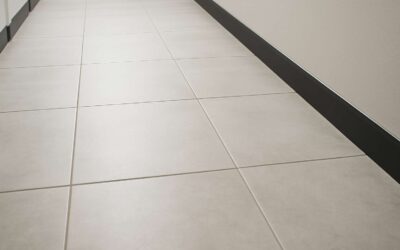
Sealing is your moisture handshake with the substrate. For groutless varieties, the joins vanish into a single plane, which means fewer nooks where detergent and dust like to congregate. Grouted options, by contrast, deliver a precise edge and more color or pattern choices, but demand periodic sealing and careful cleaning around the grout lines. With interlocking floor tiles for laundry room, you can balance aesthetics and upkeep depending on your tolerance for chores.
- Groutless for easy maintenance and a seamless look
- Grouted for more color choices and tactile definition
- Regular cleaning routine to preserve the seal and finish
Maintenance matters more than flair; a quick daily wipe and a gentle cleaner keep surfaces gleaming. Avoid waxes and harsh solvents that dull the finish, and you’ll enjoy long-lasting practicality from your interlocking floor tiles for laundry room.
Cleaning and Longevity
Installation sets the tone for long-term performance. With interlocking floor tiles for laundry room, a clean, level base and a confident dry fit matter most. The click-and-lock system makes rapid, tidy work of laying new surfaces, so busy mornings stay on track in any South African home!
Maintenance rests on simple care: wipe spills promptly, mop with a mild, non-abrasive cleaner, and dry the surface after cleaning to prevent damp patches from lingering. Avoid waxes and harsh solvents that dull the finish.
With consistent care, longevity follows; inspect edges periodically and replace any damaged tiles easily. The result is a practical, neat floor that holds its appeal through years of laundry-day use.
Aesthetics and Design Ideas for Laundry Spaces
Color Palettes, Textures, and Patterns
South Africa’s laundry spaces are increasingly design-forward, turning chores into daily acts of craft. A recent SA home-design survey shows more than 60% now prioritise aesthetics alongside function when choosing flooring. Color, texture, and pattern matter as much as durability, and interlocking floor tiles for laundry room make both possible!
Palette and texture ideas that read well in a compact space:
- Soft neutrals with a satin finish to hide smudges and keep things bright.
- Monochrome contrasts—charcoal and porcelain—spiked with warm brass or timber.
- Texture-rich options: wood-look, concrete, or stone-inspired finishes for depth.
- Pattern accents: herringbone or checkerboard layouts, especially effective with interlocking floor tiles for laundry room.
In South Africa’s sunlit homes, light and color do the heavy lifting. I’ve watched pale blues brighten corners and make laundry days feel lighter!
Cohesive Look with Cabinets and Appliances
South Africa’s laundry spaces are getting a design upgrade, and more than 60% of homeowners now want aesthetics that perform as well as function. A cohesive look with cabinets and appliances starts at the floor—because you see it first and notice it last. Interlocking floor tiles for laundry room deliver a seamless base that unifies colour, texture, and hardware, all while hiding the inevitable soap scum.
- Match cabinet hardware to tile undertones for a measured, cohesive feel.
- Keep countertops and benchtops in a light, reflective finish to bounce SA sunlight around.
- Use open shelving in a single tone to visually expand the space and keep clutter at bay.
When the cabinets, appliances, and floor speak the same design language, chores feel less like drudgery and more like a mini renovation worth the effort. A splash of pale blue or timber detail finishes the story.
Patterned Layouts and Visual Tricks for Small Rooms
South Africa’s laundry spaces are turning into stylish refuges—62% of homeowners now favour pattern-rich interiors that feel as good as they look. interlocking floor tiles for laundry room provide a flexible, architectural base that pulls colour, texture, and hardware into a single, cohesive statement.
Patterned layouts and visual tricks for small rooms emerge as the floor’s quiet hero. Subtle shifts in orientation or a chevron rhythm can make walls retreat and ceilings rise, while a light undertone bounces the sun, weaving brightness through every corner.
- Patterned layouts like herringbone or chevron add kinetic rhythm without clutter.
- Run tiles in a light undertone to reflect SA sunlight and visually expand narrow spaces.
- Choose a soft grout or groutless look to maintain serenity and ease of cleaning.
- Texture contrasts—from matte to a whisper of gloss—create depth within a restrained palette.
In compact spaces, the floor becomes the storyteller, turning chores into a daily adventure and a hint of a grand renovation.
Mats, Runners, and Transitions
Midnight whispers around a laundry space where light spills along the grout like silver blood. In South Africa, 62% of homeowners crave interiors that feel as good as they look, and the floor must speak before the cabinets do. interlocking floor tiles for laundry room anchor the aesthetic, a flexible spine that lets mats and runners drift into one cohesive ritual. They sketch a rhythm that moves beyond utility, turning a chore corner into a quiet vignette.
- Soft, moisture-ready mats that trap spills without clinging to step-stains
- Long runners to elongate narrow layouts and guide the eye
- Transitional edges that blend zones with subtle, architectural grace
Textures play a shadow game—matte backs to absorb glare, a whisper of gloss where light lingers, and color that sighs between walls and appliances. A restrained palette lets the mats and runners do the talking, while transitions—slightly lighter underfoot or a tone shift—make spaces breathe. The floor acts as a patient narrator, unhurried yet inexorable in its design.
Costs, Warranties, and Where to Buy
Price Ranges by Material Type
Nearly 3 in 10 South African homes upgrade their laundry room flooring within five years due to spills and humidity. The right interlocking floor tiles for laundry room turn chaos into calm, delivering quick installation, easy maintenance, and a clean, professional look under appliances.
Costs and warranties: Price varies by material and thickness. EVA foam: R60–R150/m2; PVC interlocking tiles: R120–R350/m2; Rubber: R400–R900/m2; Ceramic/porcelain: R700–R1500/m2. Warranties generally run 5–10 years for foam and PVC, 10–15 years for rubber, and up to 20–25 years for premium ceramic options with proper installation.
Where to buy price ranges by material type: Availability spans Builders Warehouse, Tile Africa, Makro, and online retailers.
- EVA foam: R60–R150/m2
- PVC interlocking tiles: R120–R350/m2
- Rubber: R400–R900/m2
- Ceramic/porcelain interlocking: R700–R1500/m2
Warranties, Guarantees, and Return Policies
Costs vary by material and thickness. EVA foam runs about R60–R150 per m2; PVC interlocking tiles about R120–R350; Rubber R400–R900; Ceramic/porcelain R700–R1500. Warranties generally run 5–10 years for foam and PVC, 10–15 years for rubber, and up to 20–25 years for premium ceramic with proper installation. Availability spans Builders Warehouse, Tile Africa, Makro, and online retailers for interlocking floor tiles for laundry room.
Warranties and guarantees differ by supplier, but the rule is clear: longer coverage accompanies tougher materials. Return policies vary; expect 30–60 days on stock, with requirements for unused tiles and proof of purchase. To ease claims, keep packaging and receipts handy.
- Warranty length by material
- Return windows
- Documentation for claims
Where to buy: major South African outlets and trusted online sources stock these options; look for Builders Warehouse, Tile Africa, Makro, and curated online retailers.
Retailers: Online vs Local Stores
Costs for interlocking floor tiles for laundry room vary by material. EVA foam runs about R60–R150 per m2, PVC R120–R350, Rubber R400–R900, and ceramic/porcelain R700–R1500. The material you choose sets the upfront price and long-term maintenance needs.
Warranties follow the material: foam and PVC commonly 5–10 years, rubber 10–15, premium ceramic up to 20–25 with proper installation.
Where to buy interlocking floor tiles for laundry room comes down to preference: online retailers deliver nationwide, while local stores offer immediate stock and in-person guidance. Comparing stock, delivery options, and return policies helps you pick the best fit for your project.
- Builders Warehouse
- Tile Africa
- Makro
Budgeting for DIY vs Professional Installation
A punchy hook lands: in SA, 76% of renovators say long-term maintenance matters more than glamour. Costs vary by material: EVA foam R60–R150/m2, PVC R120–R350, Rubber R400–R900, ceramic/porcelain R700–R1500. The material you choose sets upfront price and long-term maintenance needs for interlocking floor tiles for laundry room.
Warranties: foam & PVC 5–10 years; rubber 10–15; premium ceramic 20–25 with proper installation.
Where to buy: online retailers deliver nationwide; local stores offer stock and guidance.
- Stock availability
- Delivery options
- Return policies
Budgeting for DIY vs Professional Installation: If you’re handy, DIY saves on labour, but plan for precise alignment and subfloor prep. For complex layouts or premium materials, hire a pro to guarantee a clean finish with interlocking floor tiles for laundry room.
Practical Considerations and Safety
Subfloor Prep and Flatness Checks
Practical considerations for the laundry room start with the base. With interlocking floor tiles for laundry room, the subfloor must be clean, dry, and level to avoid uneven joints and tripping hazards. Flatness checks prevent hidden bumps from becoming stubborn gaps later; moisture control protects both tile and backing.
- Moisture testing at multiple points and maintaining stable humidity
- Using a straightedge or laser level to verify flatness within tolerances
- Allowing expansion gaps along edges to accommodate movement
Safety in preparation matters too: wear gloves, use proper lifting techniques, and keep children and pets away from the work zone. The right plan keeps the finish durable through the long South African seasons and the everyday bustle of a rural home!
Drainage, Waterproofing, and Slope
Humidity swings in South African laundry corners demand more than style; they demand foresight. interlocking floor tiles for laundry room thrive when drainage, waterproofing, and a deliberate slope are designed from the start. A level field keeps joints honest and dampness at bay.
Draining water away from the wash zone isn’t merely sensible; it’s design philosophy. Ensure the substrate embraces a gentle incline toward a central drain, seal against moisture, and choose tiles with backing that resists humidity. The result is durability and a pristine finish season after season.
- Subtle slope toward drainage reduces pooling
- Moisture-resistant backing and waterproof underlay
- Consistent transitions to adjacent spaces to prevent puddling
Safety in preparation matters too: gloves, lifting, and keeping pets away from the work zone. This flooring solution supports a finish that endures the rhythm of rural SA life.
Thermal Expansion and Flooring Transitions
A floor that breathes with the seasons is the real luxury of any South African home. Practical considerations for interlocking floor tiles for laundry room begin with how they move and mellow under heat and humidity. Thermal expansion is not a foe but a tempo; select tiles and backing that handle moisture and temperature swings without warping. Think humidity-resistant backing and a forgiving underlay, plus a quiet eye for flatness so joints stay true and the room keeps its portrait-perfect finish.
Safety in preparation and use stays close at hand: gloves, proper lifting, and keeping pets away from the zone. The flooring transitions between rooms should be graceful—subtle edges that guide feet and eyes, ensuring the laundry flows into the home with calm rhythm.
Environmental Impact and Recyclability
Laundry rooms can be drama queens—the heat, humidity, and the occasional sock that disappears behind the dryer. Fact: humidity often runs high in SA homes, so your floor needs to breathe without buckling. Practical considerations start with moisture-resistant backing, a forgiving underlay, and joints that stay true even when the laundry cycle goes haywire.
Choosing interlocking floor tiles for laundry room is a smart move for modularity and repairability. In safety and environmental terms, seek materials that shrug off humidity and keep VOCs low; backing with recyclability or recycled content is a win for the planet—and your conscience.
- Low-VOC adhesives and sealants
- Backings made from recyclable or recycled content
- Long service life reduces waste and frequency of replacement
For SA households, end-of-life options take the guesswork out of refurbishment and keep the value in your home.

0 Comments