Waterproof Rubber Floor Tiles Buying Guide
Room Types and Applications
Flooring isn’t merely a finish; it’s a quiet guardian in a South African home, where spills and humidity are daily adversaries. The right choice can soften shocks underfoot and endure the pace of a busy household.
In moments like these, waterproof rubber floor tiles b&q become a practical pivot for rooms that refuse to stay dry: kitchens, laundry areas, bathrooms, and entryways that collect mud. In these spaces, resilience pairs with ease of cleaning and subtle comfort underfoot, turning maintenance into a background concern.
- Kitchen and wet zones
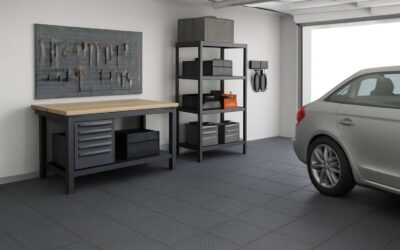
- Laundry rooms and garages
- Workshops and poolside areas
Beyond aesthetics, the applications span workshops, poolside lounges, and light commercial zones where rugged wear meets thoughtful design.
Material Benefits and Performance
In a home where moisture writes the daily script, waterproof rubber floor tiles stand as a quiet, resilient anchor. They cushion footsteps, dampen noise, and shrug off spills with an almost stubborn grace.
Material is the first chapter in a buying guide: dense rubber compounds deliver lasting bounce, closed-cell structure resists moisture, and a uniform thickness ensures predictable performance from kitchen to laundry.
- Compression strength and tile thickness
- Slip resistance and textured surface
- Moisture resistance and sealing options
- Ease of maintenance and cleaning
- Recyclability and environmental impact
Performance and longevity rest on the material’s innate resilience and thoughtful design, offering durability, easy cleaning, and a quieter, warmer underfoot. For many buyers, waterproof rubber floor tiles b&q offer a pragmatic, all-in-one solution for busy South African homes.
Installation and Maintenance
Moisture doesn’t take a holiday; your floor shouldn’t either. In South Africa, where rains turn driveways slick and kitchens busy, waterproof rubber floor tiles b&q stand as a quiet fortress—soft underfoot, bold against spills, and ready for daily bustle.
Installation and design sense guide the transformation. The fit rests more on harmony with the base than brute labor; consider subfloor compatibility, the choice between adhesive or interlocking systems, and how edge gaps frame the room.
- Subfloor conditions: dry, clean, level
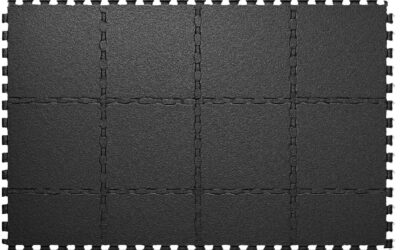
- Adhesive versus interlocking options
- Edge finishing and expansion spaces
Maintenance is a gentle ritual. I like to imagine the tiles as quiet custodians of the home—a light weekly sweep, a damp mop with mild detergent, and quick attention to spills keep waterproof rubber floor tiles b&q looking fresh and resilient for years.
Buying Guide and Where to Buy
Rain laces the floor with character, but your home should stay dry and confident. In South Africa, 65% of homeowners report quicker spill control with waterproof rubber floor tiles b&q, turning kitchens and laundry nooks into calm, wipeable spaces.
Buying this resilient surface means weighing practicality against style. For the tiles, consider subfloor compatibility, thickness, and texture for grip. Choose between adhesive or interlocking systems, and plan edge finishing with expansion gaps to accommodate movement.
- Subfloor readiness: dry, clean, and level
- System type: adhesive versus interlocking for your space
- Edge finishing: gaps for movement and neat trim
Where to buy spans local South African hardware outlets and online stores; look for stockists that ship nationwide, offer warranties, and provide samples. Availability varies, but you can often source rubber tile options through major suppliers or regional distributors, ensuring quick delivery to coastal and inland towns alike.

0 Comments